
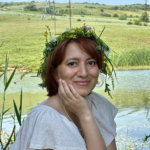
The story of Yurdum began thousands of kilometres away from Azerbaijan.
In 2023, I was volunteering at Camphill Rozkalni in Latvia. It was a unique and transformative experience; for the first time, I had the opportunity to live and work closely with people with intellectual and developmental differences and to experience an inclusive community not simply as a service, but as a way of life.
During that time, I met Dr. Zarema Yagizarova, an anthroposophical doctor. She told me about several of her former colleagues, retired medical doctors, who were developing an idea for a Camphill-like community in Azerbaijan. The idea immediately resonated with me, and I joined them, together with Dr. Firangiz Huseynova, Dr. Teymur, and others who were working to make the vision a reality.
When I returned to Baku, we presented the Yurdum Social Eco-Village project to the head of the Social Services Agency. I still remember one striking moment from that meeting. During our presentation, I described my experience in Latvia, including how we worked together in the gardens and vegetable fields alongside people with special needs. The official asked: «What are you doing there? Are they exploiting sick people by making them work?»
The question stayed with me. It revealed how differently inclusion can be understood in different social contexts. In Azerbaijan, people with disabilities have traditionally been surrounded by care and protection. These attitudes often come from love and kindness, but sometimes protection can become overprotection, accompanied by pity or low expectations.
My experience at Camphill taught me something different: supporting a person does not mean doing everything for them. When people are allowed to contribute according to their abilities, they can experience themselves as valuable members of the community. Meaningful activity can build confidence, responsibility, independence, and dignity.
My year at Rozkalni changed me deeply. I learned that an inclusive community is not simply one group providing a service to another. Everyone has something to give, and everyone changes everyone else. I learned empathy, patience, and the importance of being present in everyday life. I still remember Kaspars, who prepared the breakfast table every morning at six and greeted me with the same joyful «Labrit»—good morning. Such a small daily ritual taught me that an ordinary morning can become something special when it is shared.
After returning to Azerbaijan, we began taking the first steps towards making our vision a reality. On 12 April 2024, Yurdum opened as a daytime inclusive community of Humayun NGO, in an old two-story residential house in the center of Baku. We began with one participant. Today, Yurdum brings together 15 participants, seven staff members, and volunteers.
Yurdum has been shaped by the commitment of many people, including Dr. Firangiz Huseynova, head of Humayun NGO, anthroposophical doctor Dr. Zarema Yagizarova, Dr. Teymur Huseynov, our staff, volunteers, families, and supporters.
Yurdum has also become a platform for volunteering and practical learning. Students from the Azerbaijan State Pedagogical College gain direct experience of working alongside people with special needs. Through this experience, they develop practical skills as well as a deeper understanding of communication, support, independence, and inclusion.
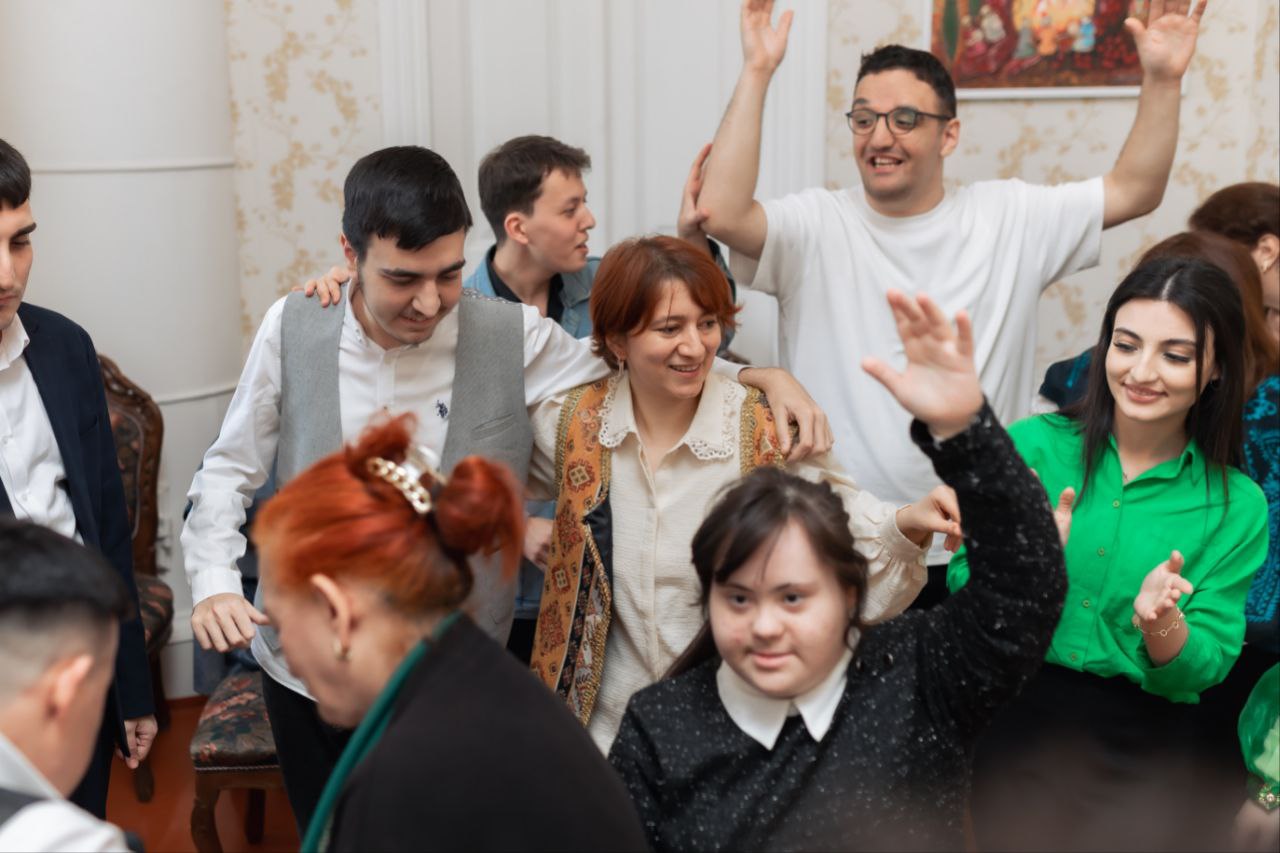
Our activities include music, candle-making, yoga, handicrafts, cooking, self-care, independent living, and choir. These are more than workshops: they create opportunities to make choices, develop skills, take responsibility, connect with others, and discover personal strengths.
Our work is inspired by social therapy, social pedagogy, and the Camphill approach. At the same time, we are trying to understand how these ideas can grow within Azerbaijani culture and society. Our aim is not to copy another country's model, but to learn from its principles and find our own local expression of inclusion.
One of our greatest challenges is the lack of qualified professionals. Social therapy is still a relatively new field in Azerbaijan, and opportunities for systematic training and practical experience remain limited. Dr. Teymur and I have completed a long-term international program in social pedagogy, but similar opportunities are not yet widely available to others entering the field.
This is why connection with the wider Camphill Movement is so important to us. Our coworkers and volunteers need opportunities to meet like-minded people from Camphill communities around the world, exchange experiences, and continue learning. One of our volunteers recently spent three months at Camphill Copake and brought some of that experience back to Yurdum.
One of our first participants, Lala, began calling Yurdum her «second home.» Over time, we realised that her words were becoming a reality. Yurdum was becoming a place where people felt known, accepted, and that they belonged.
But this home is fragile now. Financial sustainability remains one of our greatest challenges. Yurdum has twice received grants from the Social Services Agency. After the grants ended, we continued largely through the support of parents, friends, and people who believe in our work. We are deeply concerned that without sustainable support, this second home may one day have to close its doors.
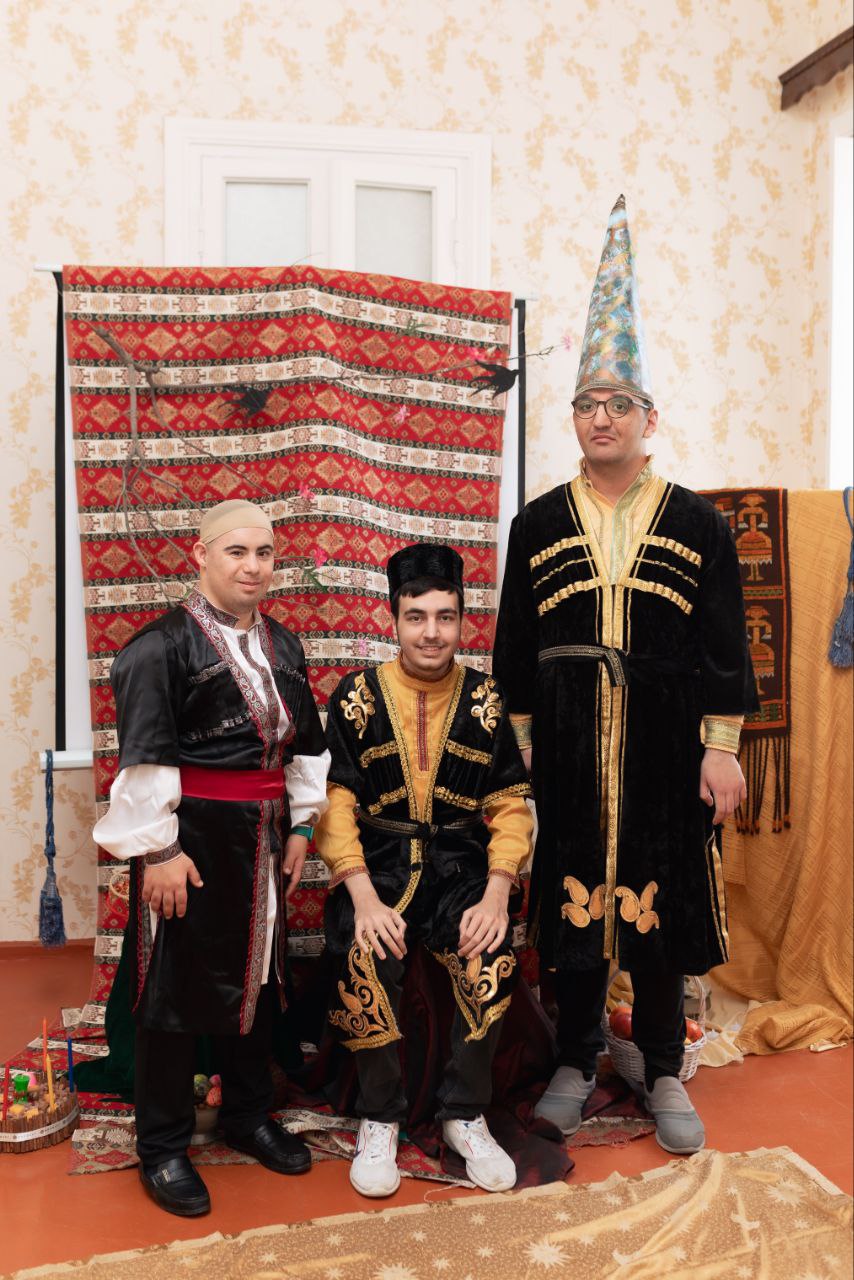
Despite these challenges, our community carries great hope for the future. Community members dream of a village with gardens, meaningful work, and a life they can share together. For parents, this dream is especially important; they worry about what will happen to their children when they are no longer able to care for them. Many hope that Yurdum can grow from a daytime center into a community with residential houses and a life together.
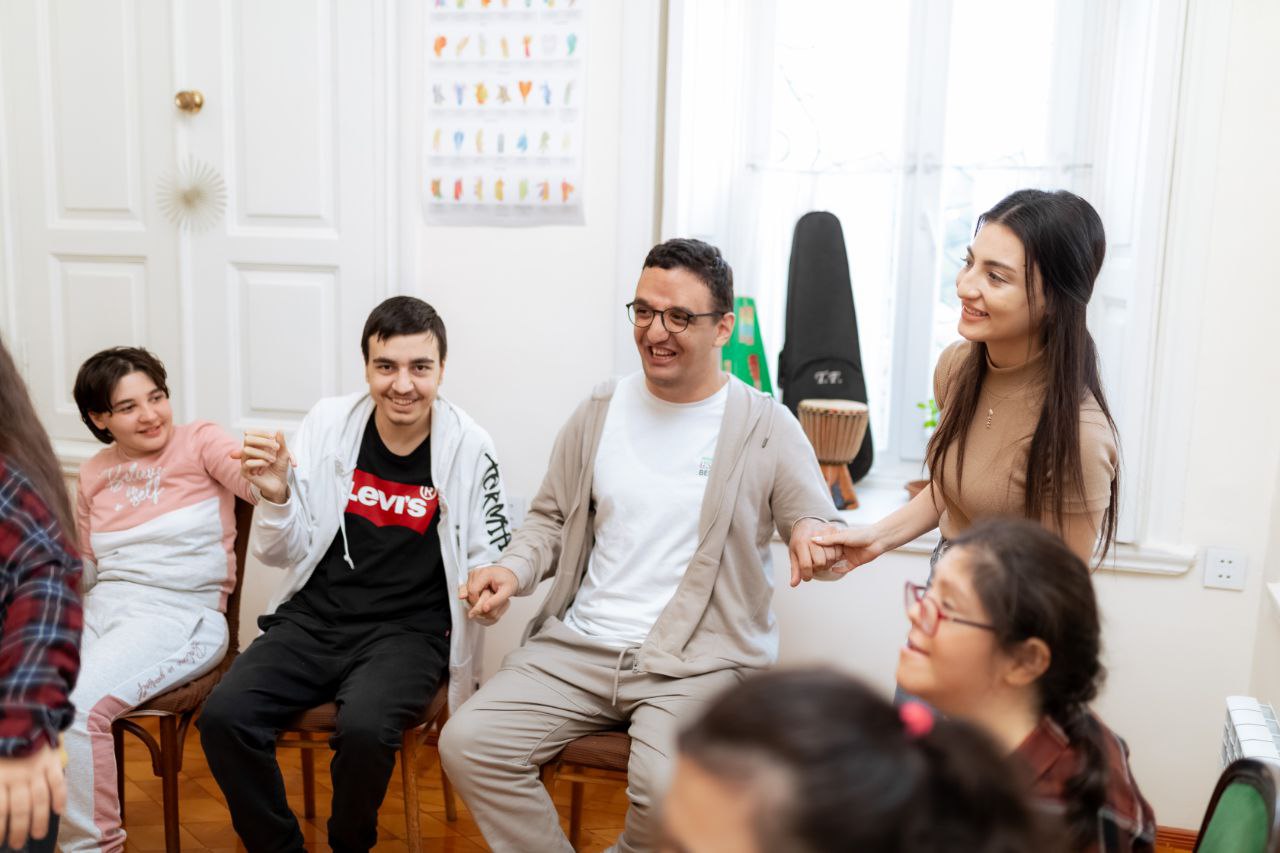
Our long-term vision is to create an inclusive social eco-village where people can live with dignity, contribute through meaningful work, develop friendships, continue learning, and know that they have a place in the world.
For us, Yurdum is more than a project. It is a small beginning towards a more inclusive Azerbaijan.
It is an answer to a parent's question, a place of learning for young professionals and volunteers, and a community where people with different abilities are valued not for what they cannot do, but for what they can contribute.
Images: Yurdum