


Aalayam was born not as a project, but as a question: how can human beings of all abilities live together in dignity, rhythm, and mutual becoming, within the social and cultural realities of India?
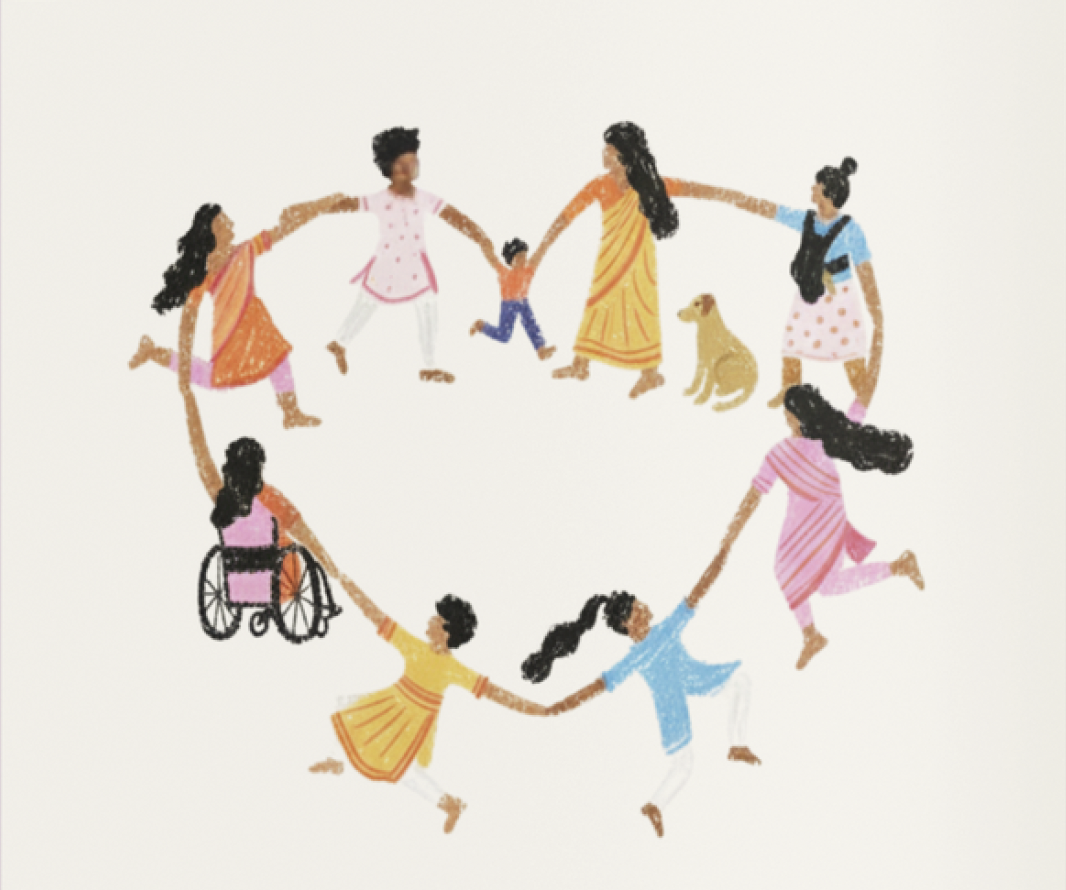
Our impulse arises from years of lived engagement with children and adults with neurodiverse and special needs within Steiner-inspired educational and therapeutic settings. Again and again, we encountered families standing at the edge of institutional care, fragmented services, or isolated home-based support. What was missing was not effort or goodwill, but a place: a living social organism where care, work, culture, and inner development could grow together.
Aalayam is envisioned as a Camphill-inspired life-sharing community rooted deeply in the Indian context. The name itself means an abode or sanctuary, reflecting our intention to create a home rather than a facility, and a community rather than a service structure.
At the heart of Aalayam lies a rhythmic way of life. Daily, weekly, and seasonal rhythms form the backbone of the community, offering predictability, safety, and nourishment for the human soul. From shared meals and meaningful work to festivals aligned with nature and culture, life at Aalayam is designed to support both individual healing and collective belonging.
Care at Aalayam is holistic. The human being is understood not merely as a body and mind, but as a being of physical, life, soul, and spiritual dimensions. This understanding shapes all aspects of care: nutritional practices rooted in seasonal and local food traditions, therapeutic approaches such as movement, arts, and sensory therapies, and medical care informed by anthroposophic principles. Each person is met as an individual, with dignity and agency at the center.
Work is another pillar of community life. Inspired by Camphill practice, meaningful work in crafts, gardening, cooking, and land-based activities is not viewed as productivity alone, but as a path to self-worth, contribution, and social integration. Through shared work, residents and coworkers experience themselves as needed members of a living whole.
Aalayam also recognizes the importance of relationships and governance. Caregivers, volunteers, therapists, and educators are supported through clear roles, reflective practices, and inner development work. Safeguarding, dignity, and protection are not treated as policies alone, but as cultural practices embedded in daily life.
Through this journey, Aalayam has taught us that inclusion is not a technical arrangement but a moral and spiritual practice. It asks those who live and work within the community to cultivate patience, self-reflection, and humility. Living with vulnerability confronts us with our own limits and invites us to grow beyond fixed identities of helper and helped.
Aalayam is still in its becoming. It is carried by a growing circle of educators, therapists, families, and friends who believe that another way of living together is possible. With gratitude for all those who walk with us. Together, gently.
You find more about the Aalayam initiative in their booklet:
Aalayam booklet
Photo: Aalayam Booklet